e-Invoicing in Malaysia: Latest Updates (1)

Office Closure for Team Building Event
September 27, 2023
e-Invoicing in Malaysia: Latest Updates (2)
November 16, 2023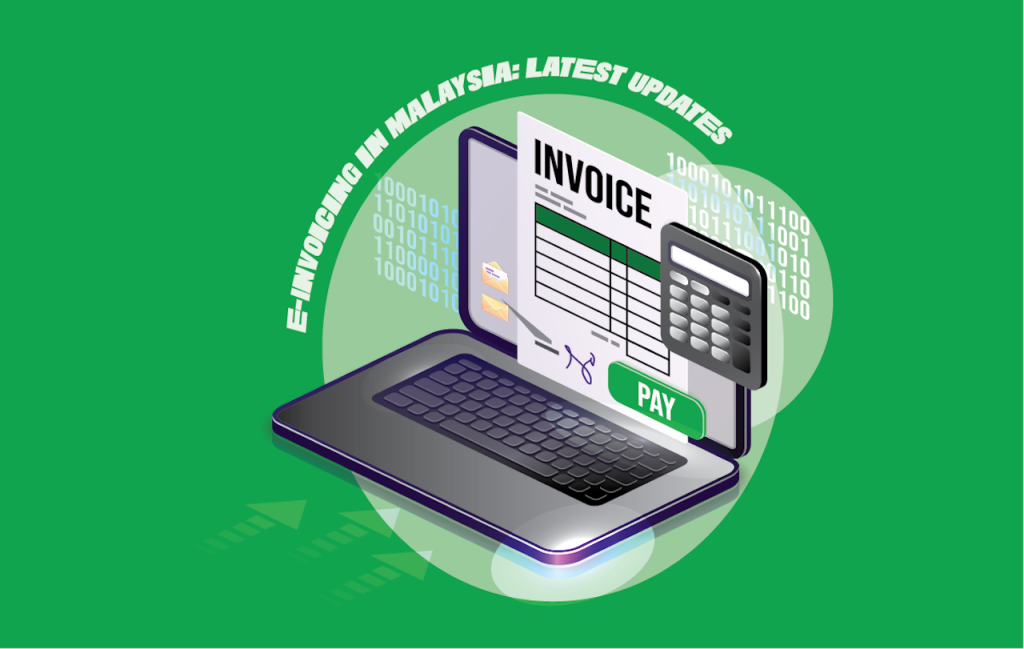
e-Invoicing in Malaysia: Latest Updates
The Inland Revenue Board of Malaysia (IRB) has recently issued the e-Invoice Guideline (Version 2.0) dated 29 September 2023, which replaces the e-Invoice Guideline (Version 1.0) dated on 21 July 2023. The new guideline provides updated guidance on the implementation of e-Invoicing in Malaysia, including the following key updates:
Implementation Timeline: Taxpayers with an annual turnover or revenue above a certain threshold must issue and submit e-Invoices for IRB validation based on the following mandatory implementation timeline:
*The latest Malaysia's Budget 2024 has also announced that e-Invoicing for taxpayers in the other income category will be enforced in phases, with a comprehensive implementation target of 1 July 2025. It is still to be clarified whether this implementation target is phased over a specific timeline for different annual turnover thresholds, as announced in the Version 2.0 guideline, or if all taxpayers will be mandated to implement e-Invoicing by 1 July 2025.
Persons Exempted from e-Invoicing: The IRB has issued a list of persons exempted from issuing e-Invoices, including the Ruler/Former Ruler and Ruling/Former Ruling Chief, Consort of a Ruler/Former Ruler, Government, state government and state authority, government authority, and consular officers. The exemptions will be reviewed and updated from time to time.
e-Invoicing Model: Taxpayers may select the most suitable e-Invoice transmission mechanism, the MyInvois Portal or an Application Programming Interface (API). Under the API model, methods to transmit include:
Rejection/Cancellation of e-Invoice: Taxpayers are allowed to cancel or reject an e-Invoice within 72 hours of validation. However, the Buyer's request to reject the e-Invoice is subject to acceptance by the Supplier. No cancellation is allowed after 72 hours have elapsed from the time of validation.
Income or Expense Exempted from e-Invoicing: The IRB has exempted certain types of income and expense from e-Invoicing, including employment income, pension, alimony, distribution of dividends in special circumstances, zakat, and scholarships.
Required Data Fields: The number of required data fields for e-Invoices has been reduced from 53 to 51. The data field "Supplier's Website" has been removed, while "Product Tariff Code" has been made an optional field (applicable to imports and exports of goods). The data field "Time" has been added as a required field alongside the date of the e-Invoice.
What businesses need to do:
Businesses should review the e-Invoice Guideline (Version 2.0) to understand the implementation timeline and requirements. Businesses should also start planning for the implementation of e-Invoicing in their businesses. This may involve:
e-Invoicing Workflow:

The figure below demonstrates an overview of the e-Invoice workflow from the point of issuing, validating, and up to the point of storing e-Invoices. (source: LHDN Malaysia)
The IRB has provided a number of resources to help businesses implement e-Invoicing, including the e-Invoice Guideline (Version 2.0), e-Invoice Specific Guideline (Version 1.0), and e-Invoice Catalogue. These resources are available on the IRB website at www.hasil.gov.my/en/e-invoice.
Biztrak is committed to providing you with the most up-to-date e-invoicing solutions to support your business operations. We are currently reviewing the latest e-invoicing updates from the IRB, and our Research and Development (R&D) team is diligently assessing the requirements to ensure seamless integration into our accounting system.
We understand the importance of staying compliant with e-invoicing regulations, and we are working diligently to implement these updates as soon as possible. We will keep you informed of any developments and provide you with timely updates once the requirements have been successfully integrated into our system.
Thank you for your patience and understanding.